Prepress Engineering Directory
Commercial Printing Terminology & Trade Specifications
Giggo India operates an open technical knowledge center for apparel manufacturers, corporate gifting agencies, and freelance designers across India. Understanding core prepress physics and ink polymer chemistry guarantees first-strike color accuracy and zero wasted gang-sheet yardage.
CMYK vs. RGB Gamut Remapping
Monitors emit additive light in sRGB (16.7 million colors), while commercial transfer printers deposit subtractive cyan, magenta, yellow, and black pigments. Electric neon teals and hyper-saturated purples naturally compress during RIP screening unless converted to calibrated press profiles like US Web Coated (SWOP) v2 or GRACoL 2006 before export.
Read CMYK Prepress Guide →
Spot White Choking & Bleed Halos
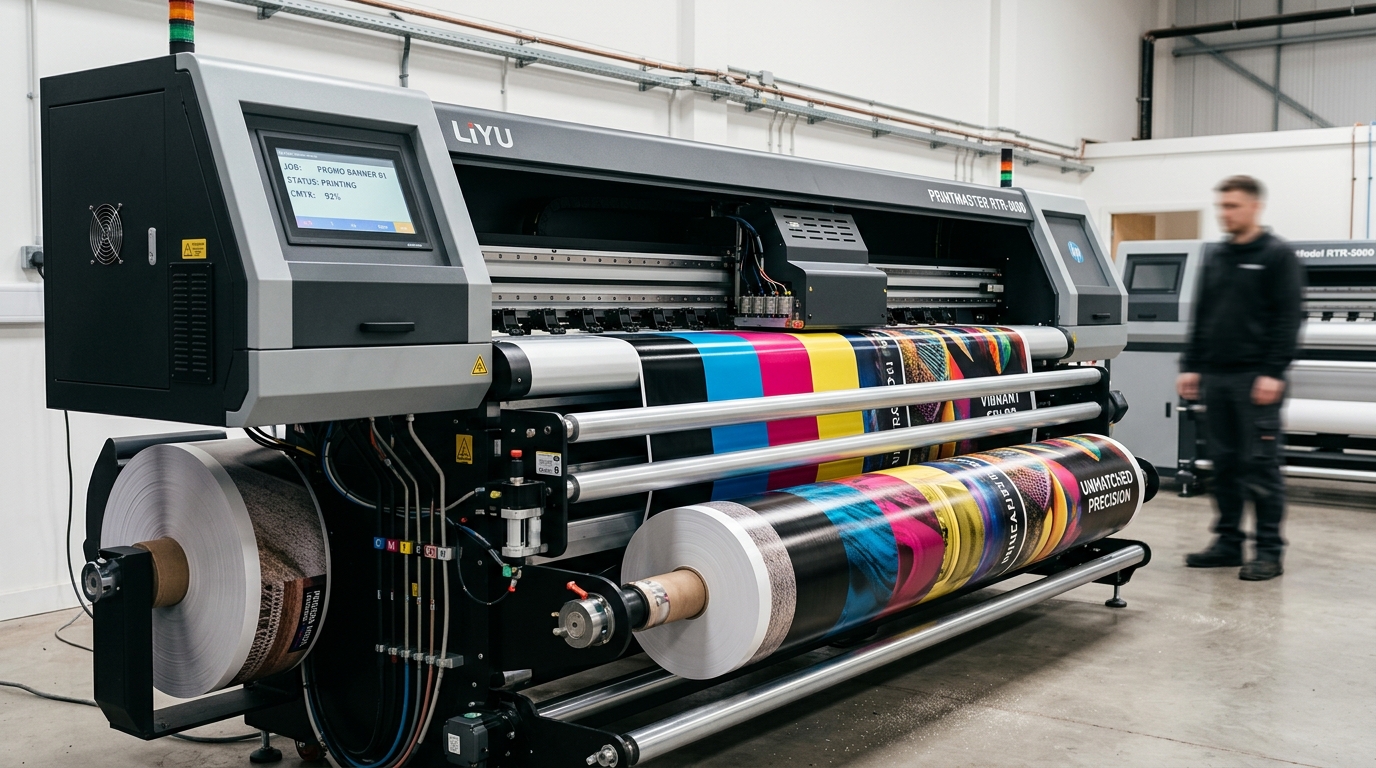
High-speed carriage travel (up to 1.2 m/sec) introduces sub-millimeter mechanical micro-shifting. To prevent the dense white underbase ink from peeking past delicate colored boundaries on dark t-shirts, RIP operators execute a 1-to-2 pixel (0.17mm–0.25mm) spot white choke, hiding the white barrier entirely beneath the CMYK cap.
Explore DTF Specifications →
UV Photopolymerization & 3D Varnish
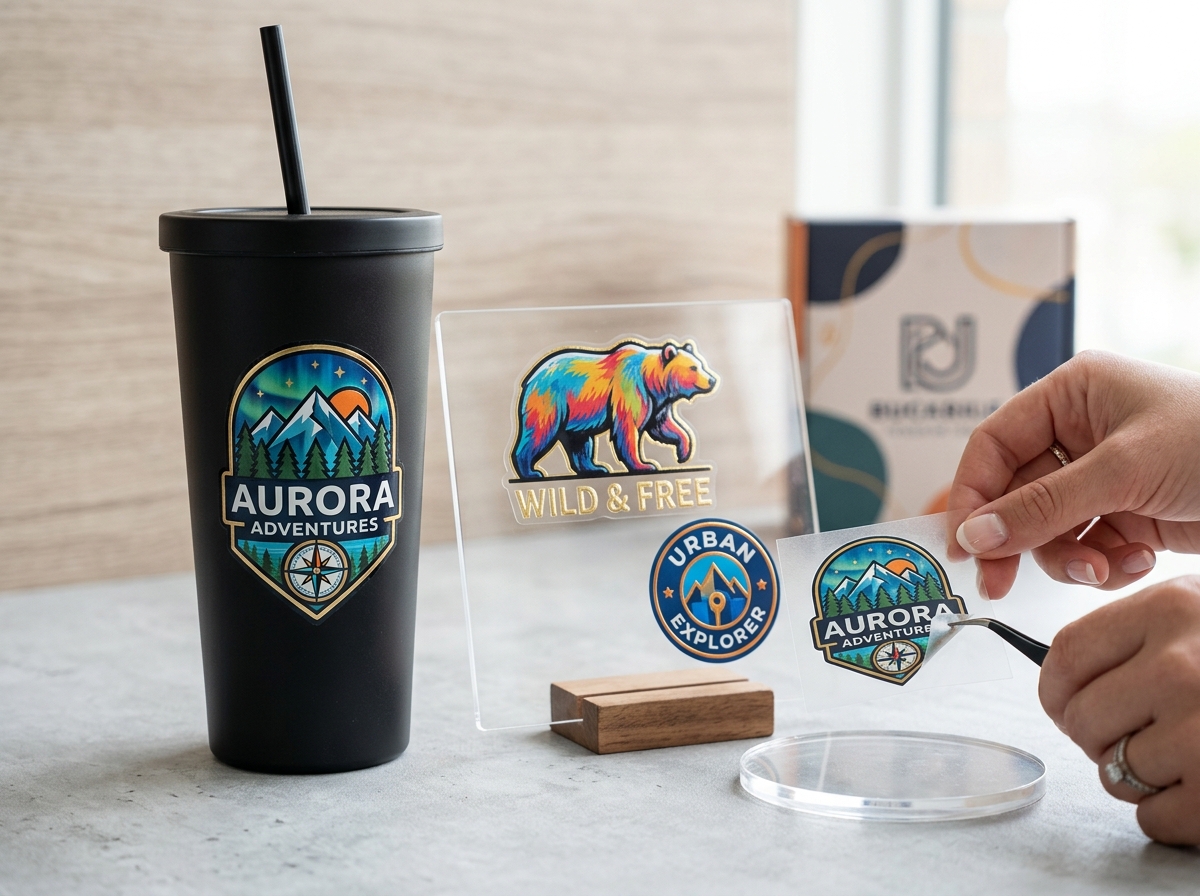
UV DTF transfers utilize reactive liquid photoinitiators that cross-link into hardened acrylic polymers instantly under 395nm UV LED arrays. By stacking consecutive clear varnish passes, we generate tactile 3D embossed crystal stickers with pencil hardness up to 4H without requiring steel dies or heat presses.
Explore UV DTF Engineering →
TPU Hot-Melt Adhesive Powder Physics
The wash longevity of DTF apparel transfers depends on thermoplastic polyurethane (TPU) adhesive powder selection. 80–170 mesh medium powder provides balanced stretch and breathability on ringspun cotton and hoodies, while ultra-fine 0–80 mesh is formulated for razor-sharp micro-typography and moisture-wicking poly-spandex activewear.
View DTF Sheet Services →
Sublimation Molecular Dye Diffusion
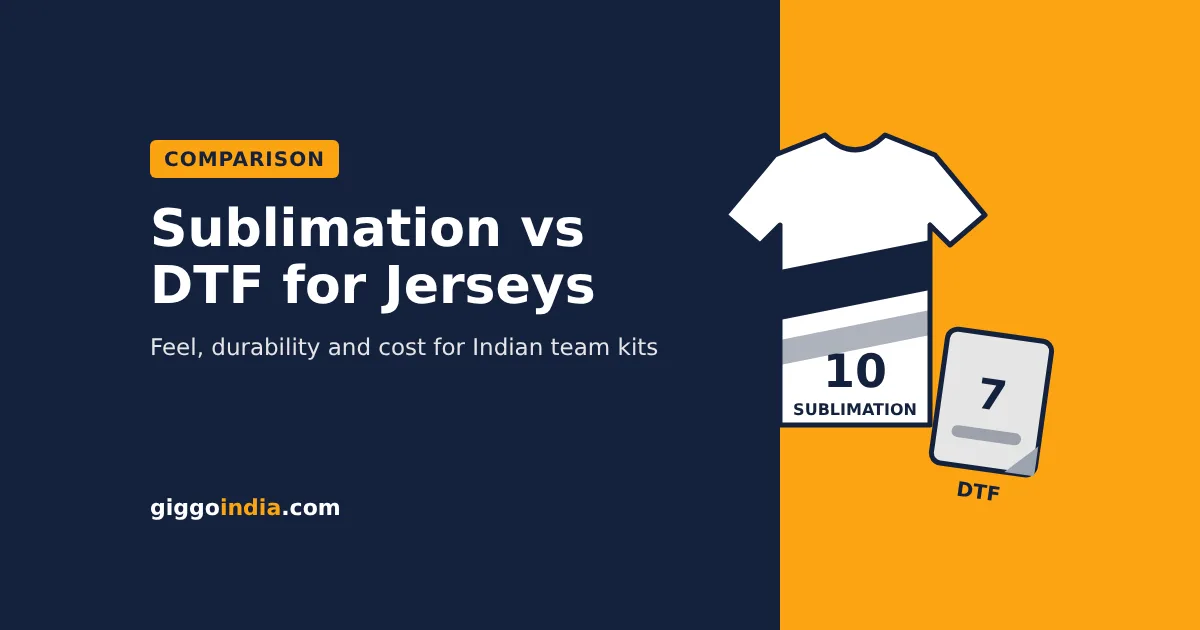
Unlike surface transfers that form an elastomeric film over the fabric, dye sublimation uses thermal phase-transition at 200°C. Solid disperse dyes transform directly into gas, permeating open polyester polymer chains. Upon cooling, the dye locks inside the synthetic fiber, delivering a 100% zero-feel, uncrackable hand for dry-fit sports jerseys.
View Sublimation Printing →
Gang Sheet Yield & Nesting Math
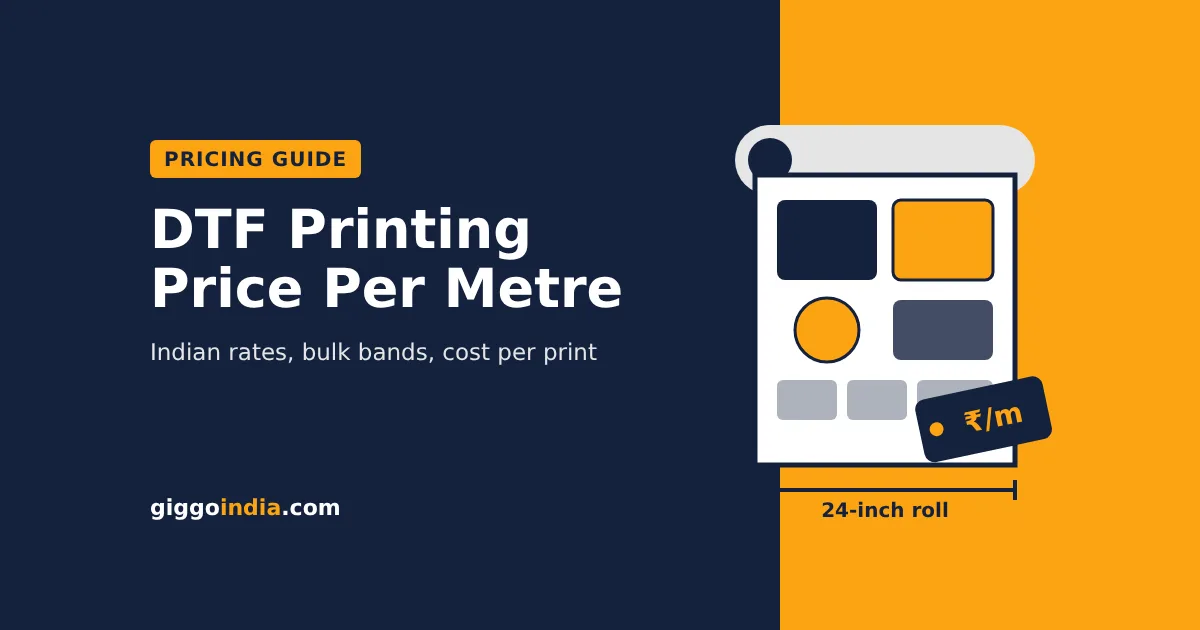
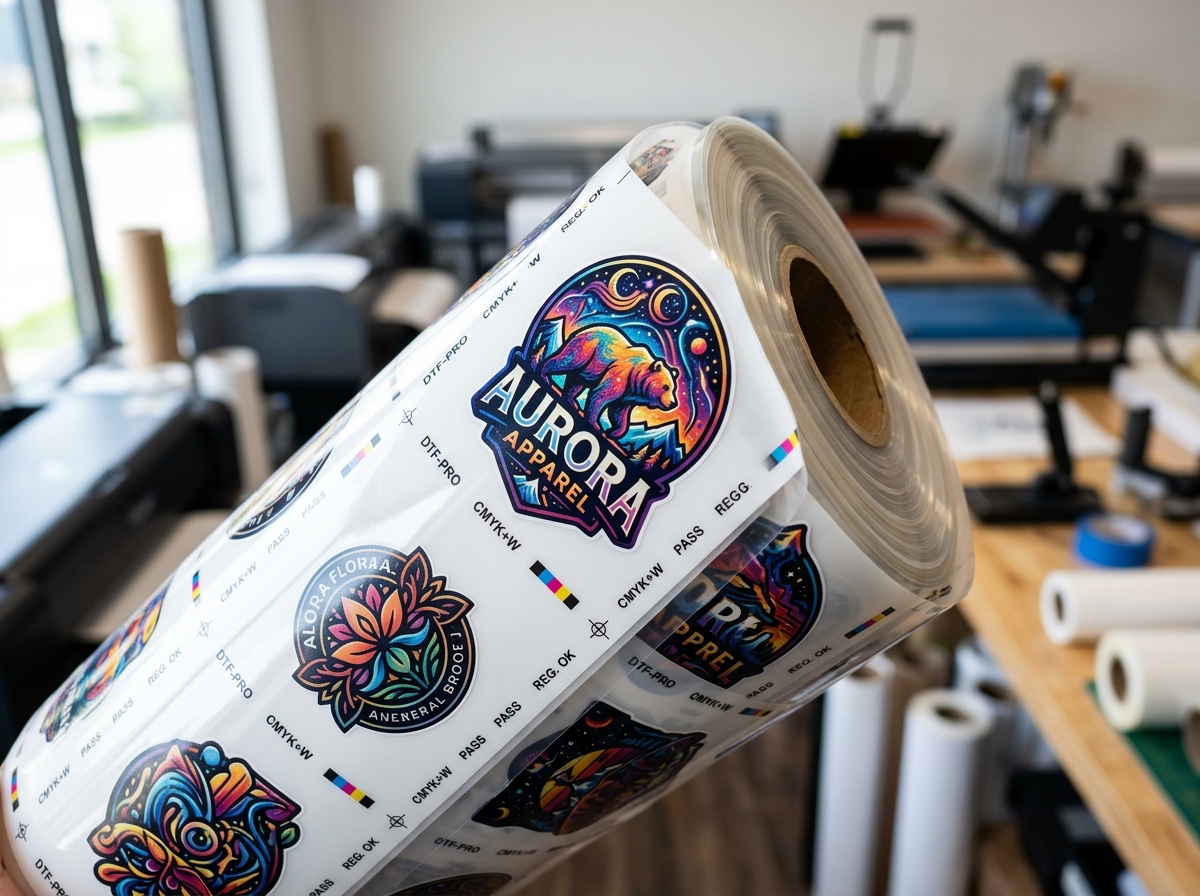
By combining multiple logos, neck labels, left-chest emblems, and full back graphics into a continuous 58cm-wide digital roll, print brokers eliminate wasted media margin. Tight automatic nesting with 5mm to 8mm cut-clearances increases square-meter graphic density by 30% to 45%, maximizing net trade profit per meter.
Explore All Print Services →
Frequently Asked Technical Prepress Questions
What file formats do your industrial RIP engines accept?
Our raster image processors (RIPs) accept vector PDF (PDF/X-1a preferred), Adobe Illustrator (.AI), CorelDRAW (.CDR exported to PDF), transparent TIFF, and high-resolution PNG (300 DPI with alpha transparency channel).
How do I ensure exact brand Pantone colors match across print batches?
When brand colors must align with specific Pantone Formula Guide Solid Coated references, specify the exact PMS code in your file notes. Our technicians calibrate spot-channel CMYK substitution lookup tables in the RIP to achieve delta-E color variance under 2.5 on production runs.
Can I combine multiple client jobs on a single DTF roll?
Yes. Commercial gang sheeting is fully encouraged. You can tile logos for dozens of different corporate or streetwear clients along a 5-meter or 10-meter continuous roll, taking full advantage of tiered wholesale per-meter pricing.
Where is Giggo India located and how fast are orders dispatched?
Our manufacturing center is situated at A105 Jaimata Di Compound, Kalher Village, Bhiwandi, Maharashtra 421302—adjacent to Mumbai's primary transport arteries. Standard gang sheet orders approved by 2:00 PM IST dispatch within 24 to 48 hours via express air and road couriers nationwide.