
The Complete Guide to DTF vs. Screen Printing in 2026: Cost, Quality & Turnaround Compared
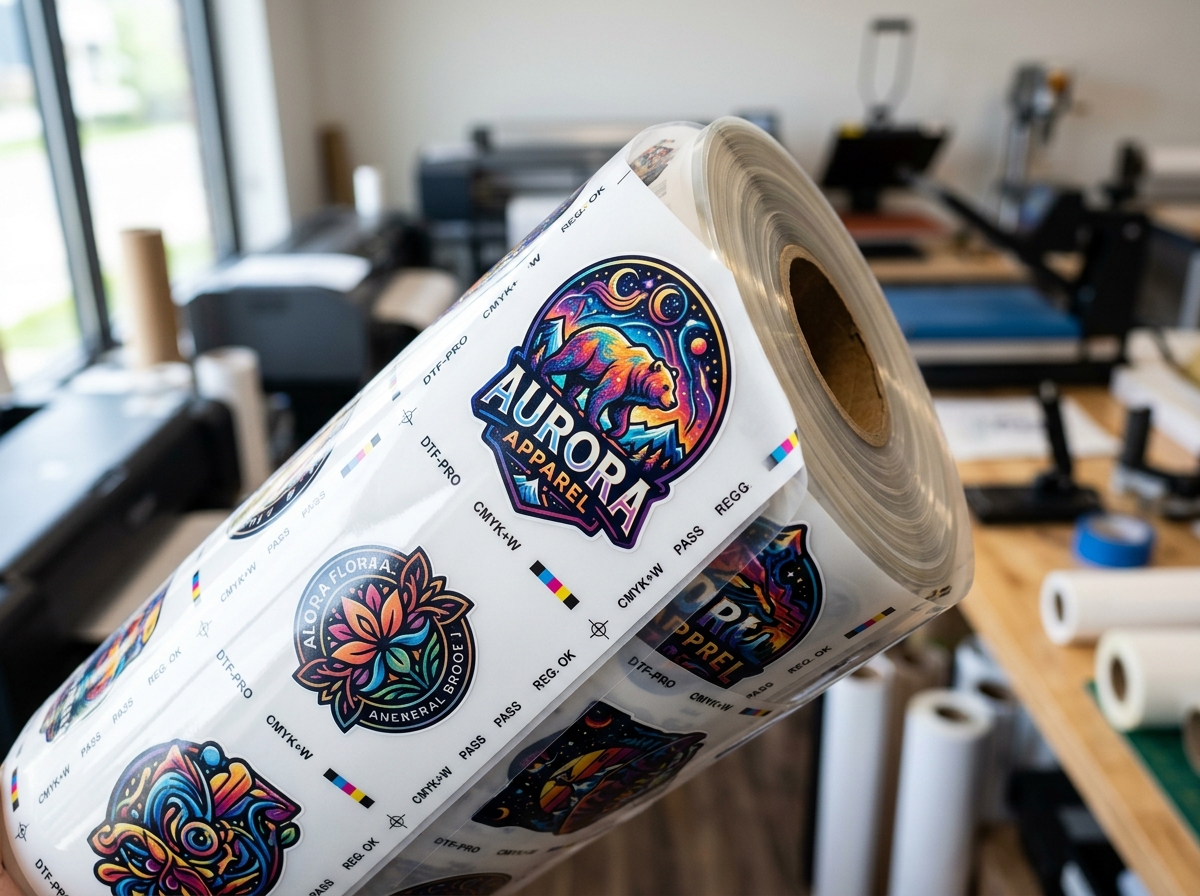
In modern textile decorating, few topics trigger more debate among streetwear founders and apparel merchandisers than the rivalry between traditional silkscreen printing and digital Direct-to-Film (DTF) transfers.
Historically, screen printing was undisputed king of bulk garment production. However, massive shifts in fast-fashion consumption—characterized by hyper-niche capsule drops, demand for full-color photographic art, and zero tolerance for dead inventory—have altered commercial production economics in India.
1. The Cost Structure Breakdown
The fundamental difference lies in upfront fixed tooling fees versus variable running costs:
- Silkscreen Printing: Requires exposing individual mesh screens for every single color channel, mixing pantone plastisol/discharge inks, and tedious multi-arm press setup. Setup costs typically range from ₹600 to ₹1,200 per color channel. A 6-color artwork requires ₹4,000+ in non-recoverable prepress setup before a single shirt is struck.
- DTF Transfers: Pure digital workflow. Whether your artwork has 1 color or 10,000 blended micro-gradients, there are zero screen costs. Pricing is calculated purely on linear running meters of PET transfer film.
The Break-Even Threshold:
For graphics with 4 or more colors in quantities under 150 pieces, DTF provides superior gross margins and eliminates the risk of unsold stock. Traditional silkscreen only regains unit-cost advantage on long runs exceeding 300+ units of simple 1-to-2 color graphics.
2. Detail Resolution & Color Gradients
Even skilled screen printers encounter physical mesh limits when handling halftones under 55 LPI (lines per inch). Fine typographic strokes under 1pt or subtle smoke fading often clog or smudge.
Industrial DTF printers with piezoelectric printheads deposit micro-picoliter droplets at 2400 x 1200 DPI. This enables crisp photographic halftones, skin tones, atmospheric lighting, and clean vector typography without ragged halftones.
3. Durability & Wash Longevity Facts
Early generations of hobbyist DTF had a reputation for peeling or feeling like heavy rubber plastic. Industrial 2026 grade DTF produced with calibrated TPU hot-melt powders and dual-pass infrared ovens has eliminated these issues:
- Tested Wash Life: 50+ domestic machine wash cycles at 40°C without edge lifting or surface cracking.
- Elastic Stretch Recovery: TPU adhesive stretches up to 250% alongside rib-knit or elastane athletic fabrics without tearing.
- Breathable Post-Press: A 5-second post-press with parchment paper forces ink deeply into the textile weave, providing a natural matte touch.
Summary Comparison Table
| Evaluation Factor | Direct-to-Film (DTF) | Traditional Silkscreen |
|---|---|---|
| Prepress Setup Cost | ₹0 (No screens or film positives) | ₹600 – ₹1,200 per color screen |
| Color Constraints | Unlimited photorealistic CMYK | Limited by physical press stations (typically 4–8) |
| Minimum Order (MOQ) | 1 Meter (Zero minimum) | Usually 50–100 pieces per colorway |
| Substrate Flexibility | Cotton, Poly, Nylon, Leather, Fleece | Requires ink chemistry change for each fabric |
| Turnaround Speed | 24–48 Hours dispatch | 5–10 working days setup & staging |