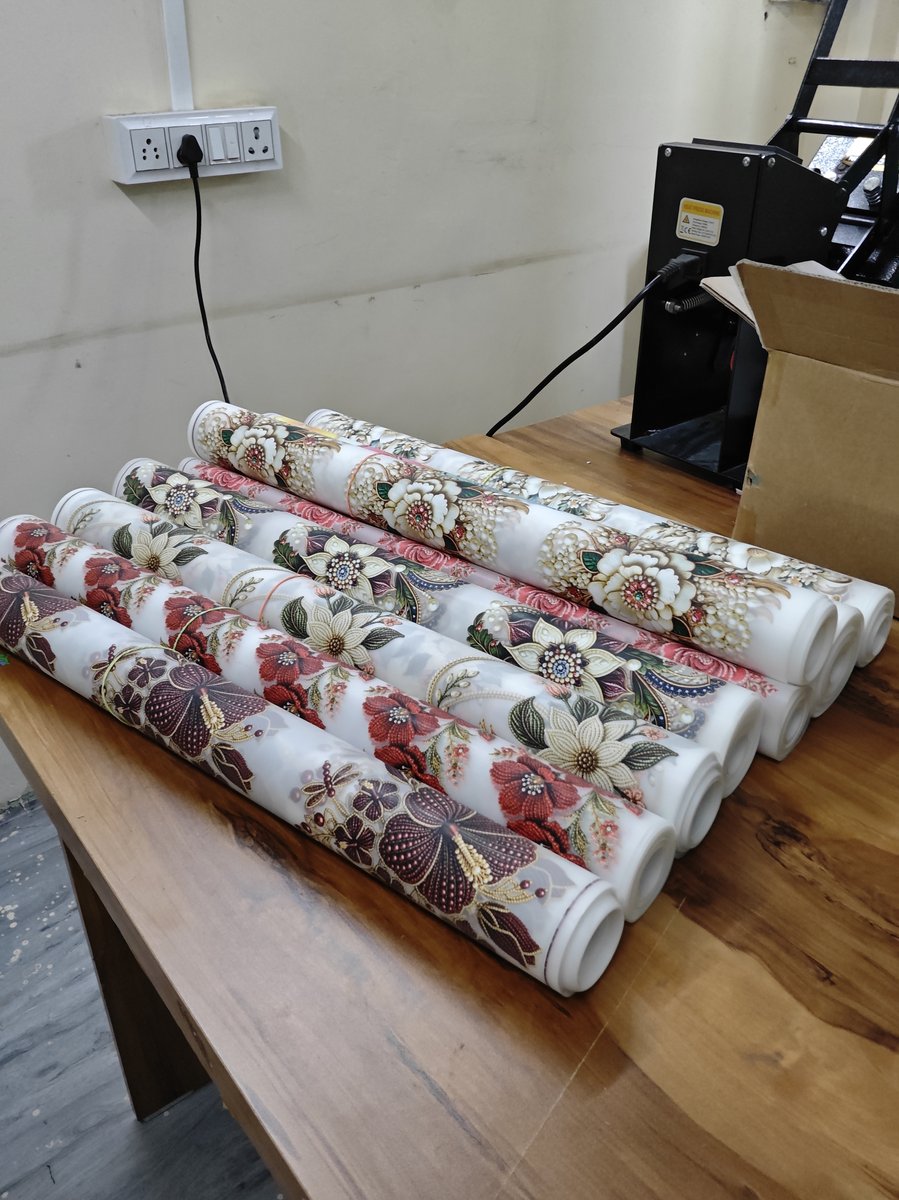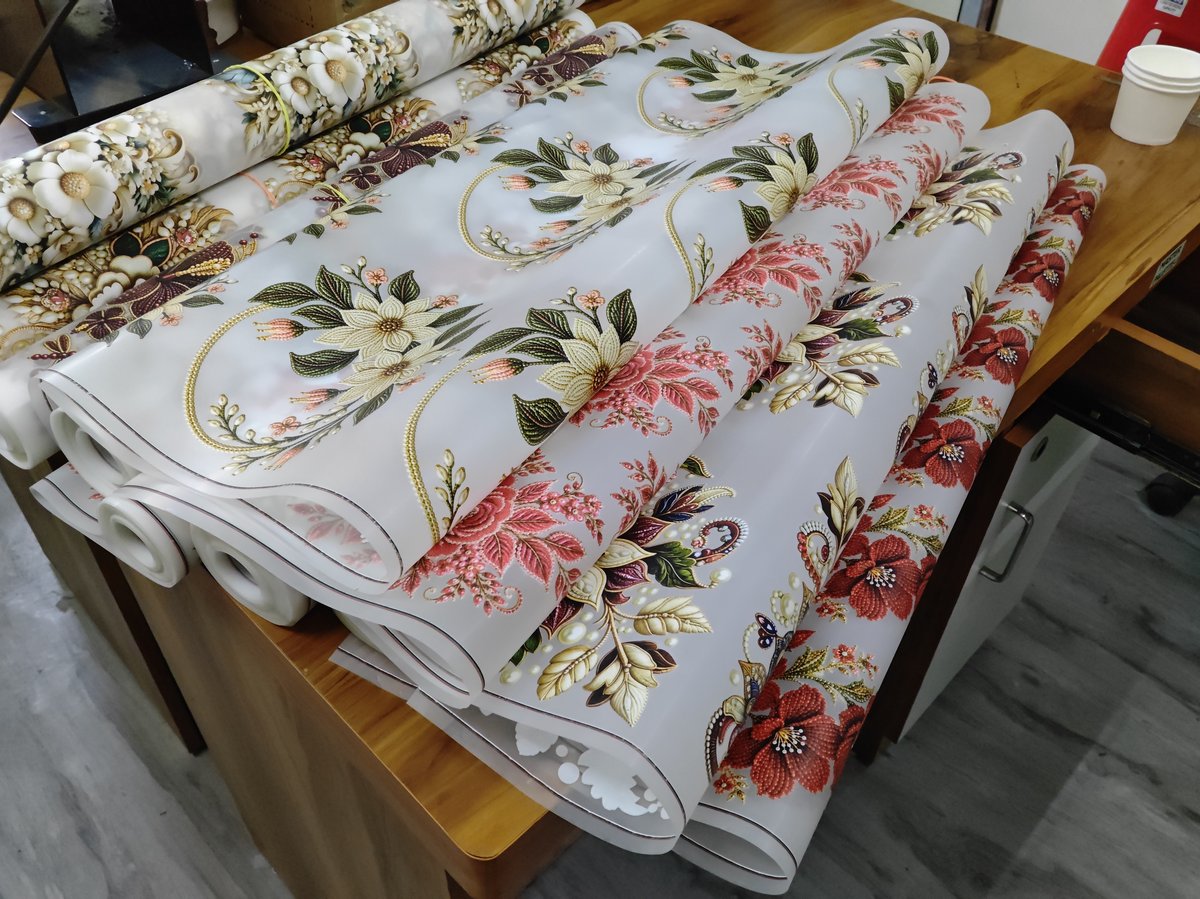
Fast-Dry Sublimation Paper Transfer Sheets
Premium microporous coated sublimation paper transfer sheets that dry dye inks instantly upon jetting. Delivers 98%+ gas-phase dye transfer efficiency onto polyester fabrics, drinkware, and coated hard substrates.
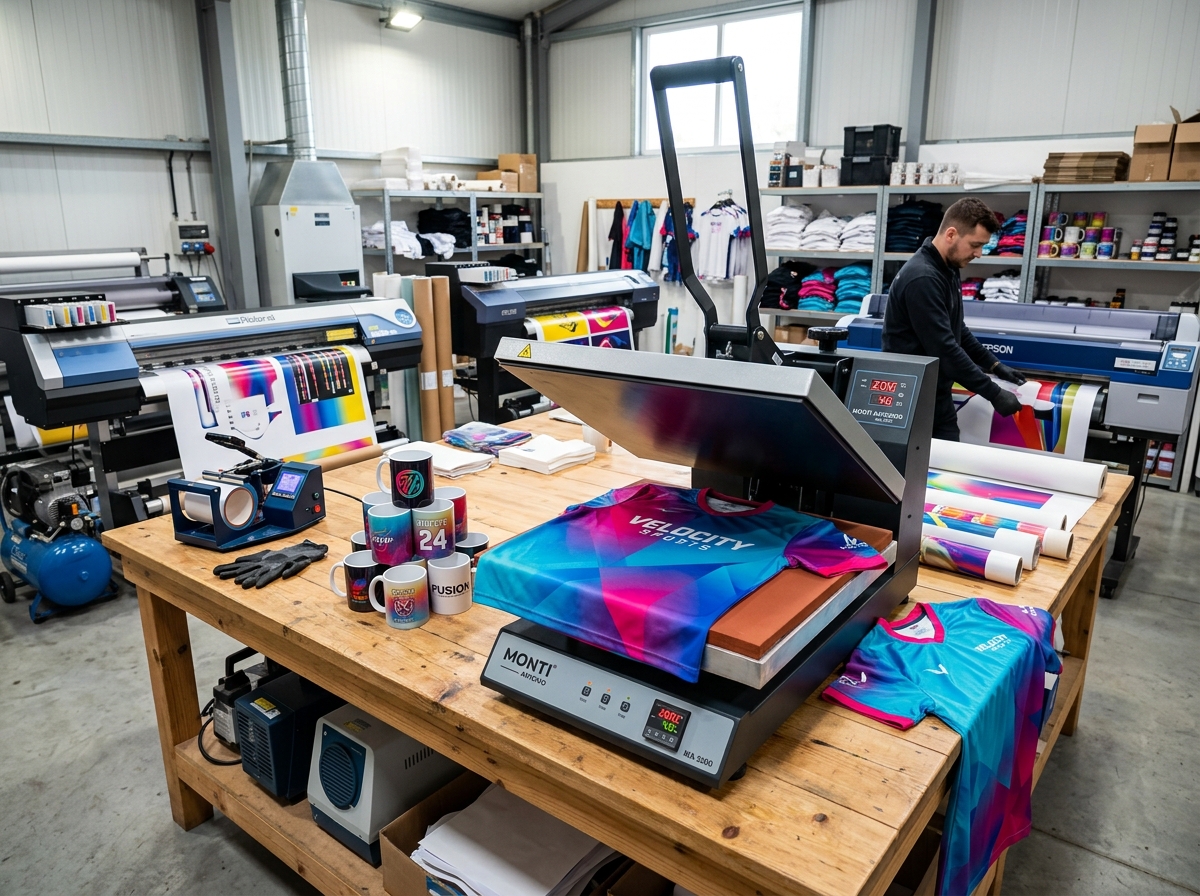
Dye Sublimation is a thermochemical process where solid disperse dye inks printed on specialized transfer paper turn directly into gas under heat and pressure (at ~200°C) without passing through a liquid state. The gas penetrates synthetic polymer fibers (polyester), which open up under heat and lock the color permanently into the yarn upon cooling.
In-Depth Service Overview & Production Methodology
Because the dye becomes part of the fabric itself rather than sitting as a surface layer on top, sublimated garments have absolutely zero hand feel. Fabric pores remain 100% open and breathable, making sublimation the premier technology for sports jerseys, cycling kits, and activewear.
Giggo India utilizes high-grade microporous fast-dry paper. The micro-structure traps high ink volumes on the surface without cockling or curling, releasing almost 100% of the ink vapor into the substrate for ultra-saturated blacks, vivid neons, and razor-sharp photographic clarity.
Available Sheet Types & Production Options
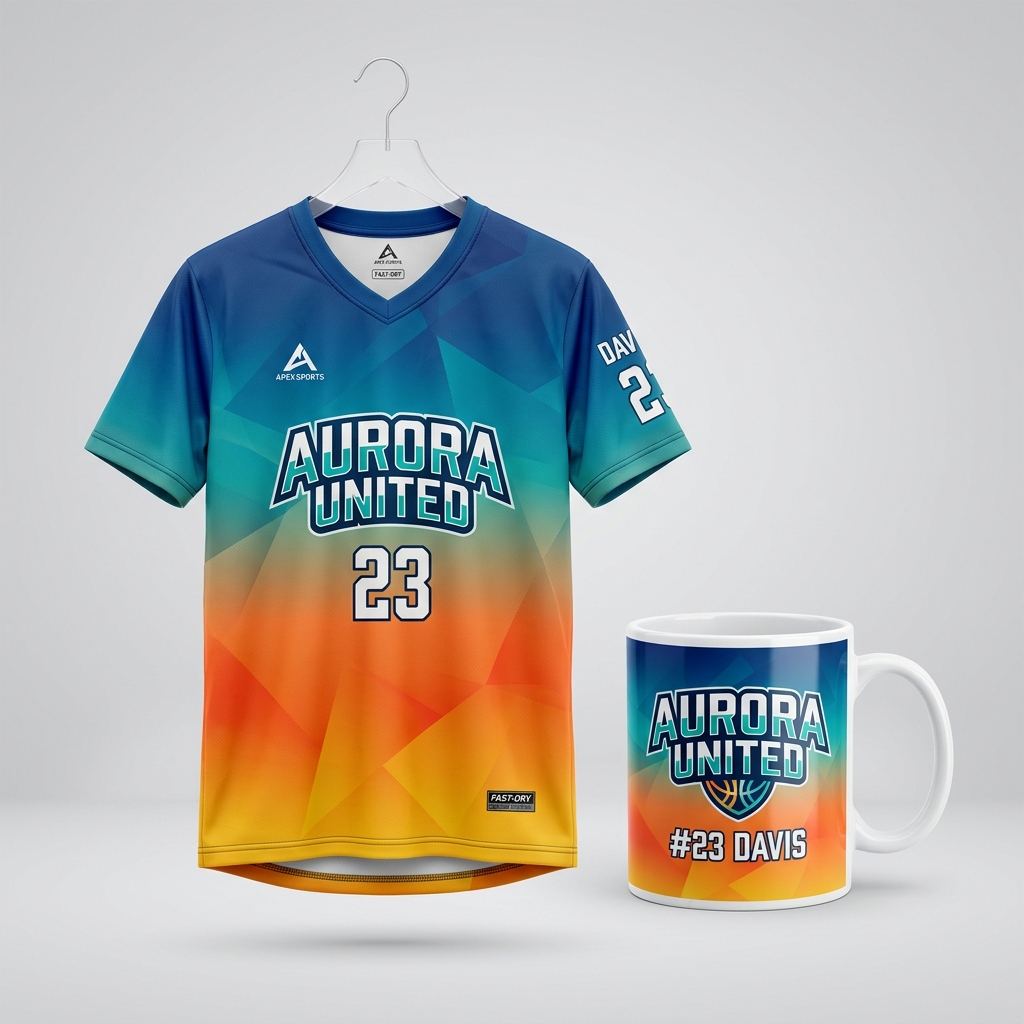
Select from our standardized commercial sheet formats or configure custom lengths based on your production requirements.
A4 & A3 Flat Sublimation Sheets
Pre-cut flat transfer sheets ideal for cut-and-sew apparel panels, cushions, and mousepads.
Roll-Fed Sublimation Transfer Webs
Continuous rolls for rotary calendar heat presses and all-over activewear manufacturing.
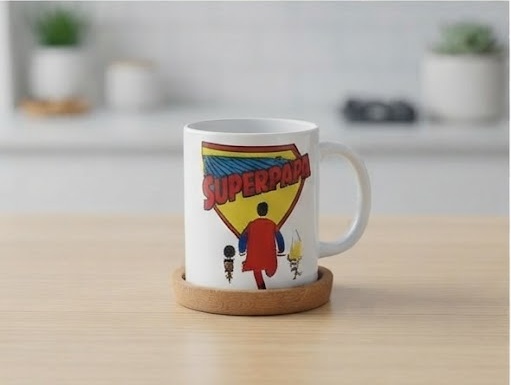
Mug & Tumbler Pre-Cut Wraps
Pre-slit strips formulated for ceramic mugs and polymer-coated travel flasks.
High-Gamut Photorealistic Sheets
Expanded color profile sheets calibrated for high-definition photography and artwork.
Technical Specifications
Target Applications & Uses
Engineered for commercial manufacturers, brand merchandisers, and craft decorators across multiple substrate groups:
- Athletic sports jerseys (football, cricket, running, basketball)
- Performance dry-fit t-shirts, cycling bibs, and gym singlets
- Polymer-coated ceramic coffee mugs and stainless steel bottles
- Polyester mousepads, gaming playmats, and promotional coasters
- Custom printed lanyards, satin ribbons, and fashion scarves
- Chromaluxe aluminum photo panels and personalized flags
Key Features & Trade Benefits
100% Zero Hand Feel & Breathable
Ink molecularly dyes the fabric yarn directly; zero ink weight or plastic film blocking perspiration.
Permanent Fade-Proof Colors
Sublimation dyes cannot wash out, peel, crack, or flake even under intense athletic laundry and sunlight.
Instant Ink Drying on Paper
Microporous coating absorbs wet ink instantly, eliminating track wheel marks and smudges during printing.
Photographic Gamut & Razor Sharpness
Continuous dye vapor delivers ultra-smooth halftone gradients, photo skin tones, and rich deep blacks.
How to Order This Service
From raw digital artwork to factory-cured sheets at your doorstep in four seamless steps.
1. Design Mirrored Graphic File
Prepare your graphic in RGB color space at 300 DPI and flip the canvas horizontally (mirror image).
2. High-Chroma Sublimation Print
We print onto microporous fast-dry paper with calibrated high-release disperse dye inks.
3. Thermal Transfer Pressing
Align transfer sheet face-down on white or light polyester fabric; press at 200°C for 45–50 seconds.
4. Hot Peel for Flawless Finish
Peel the paper immediately while hot to reveal vivid, permanent, wash-proof colors.
Frequently Asked Questions
No. Sublimation dye gas only bonds chemically to polyester synthetic fibers and polymer-coated blanks. For 100% cotton garments, use our DTF Transfer Sheets or Dark Fabric Hybrid Sheets.
For polyester activewear t-shirts, press at 195°C to 205°C (385°F to 400°F) for 45 to 55 seconds under firm pressure. For ceramic mugs in a mug press, press at 190°C for 180 seconds.
Sublimation dyes look muted and desaturated on the paper. The intense, vivid color only reveals itself when heat triggers the gas phase reaction that infuses the polyester fibers.