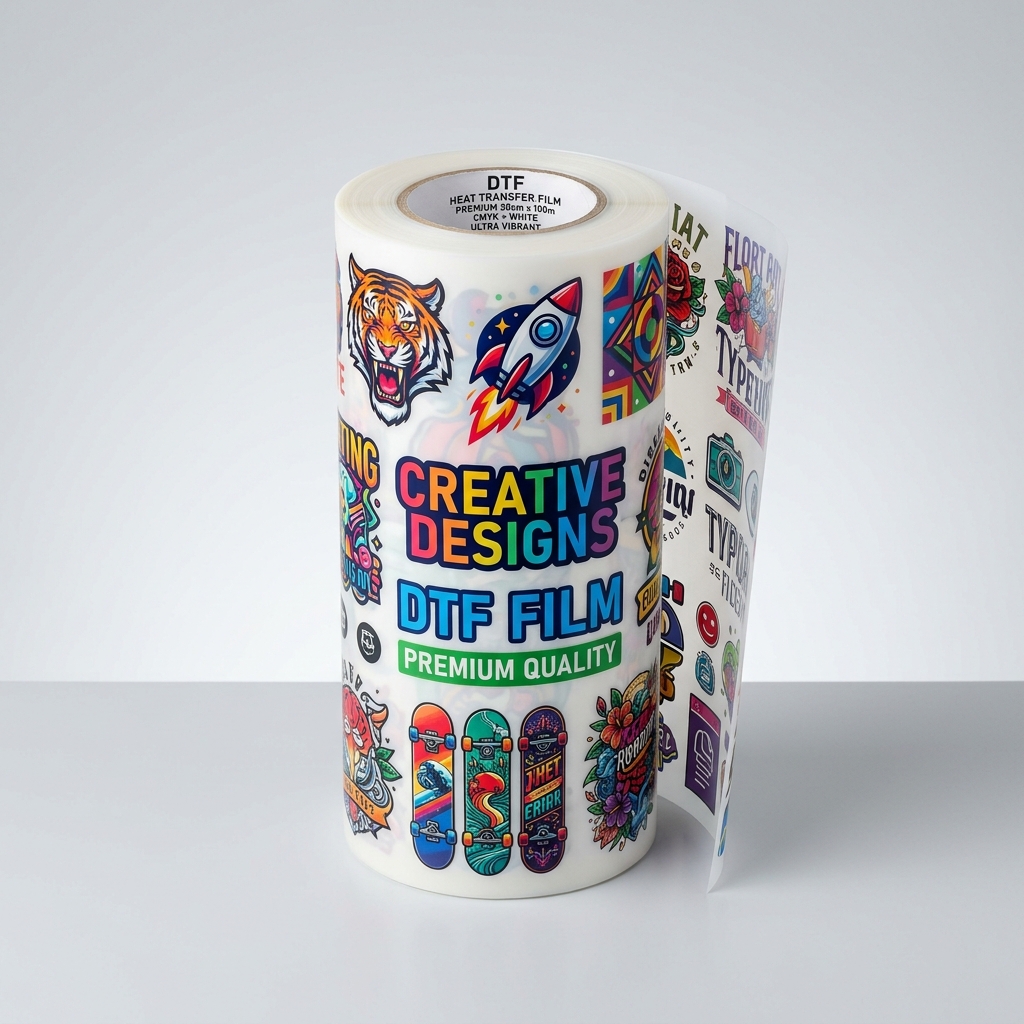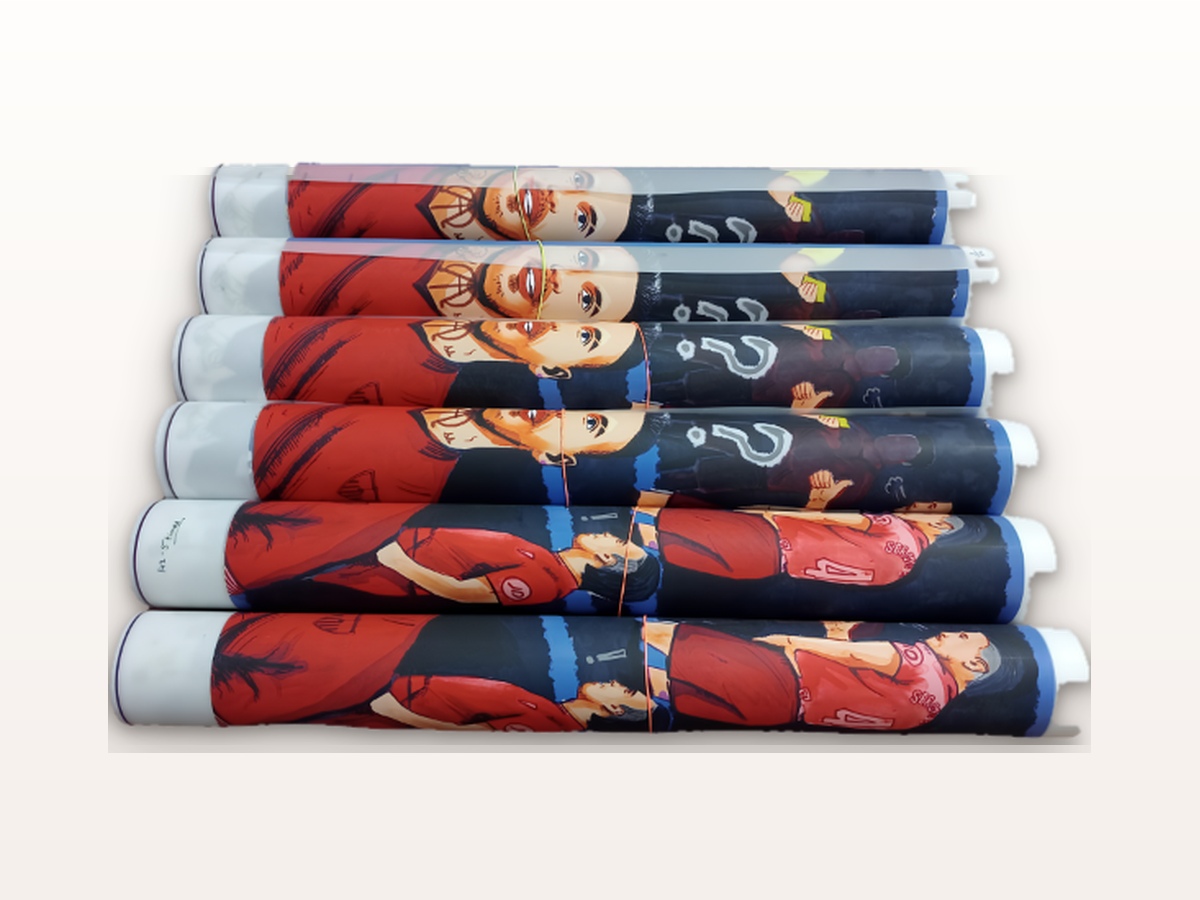
Cold Peel & Warm Peel DTF Transfer Film Sheets
Premium silicone-release PET transfer sheets engineered for production versatility. Choose velvety matte cold peel for delicate luxury garments or high-speed warm peel for rapid factory output.
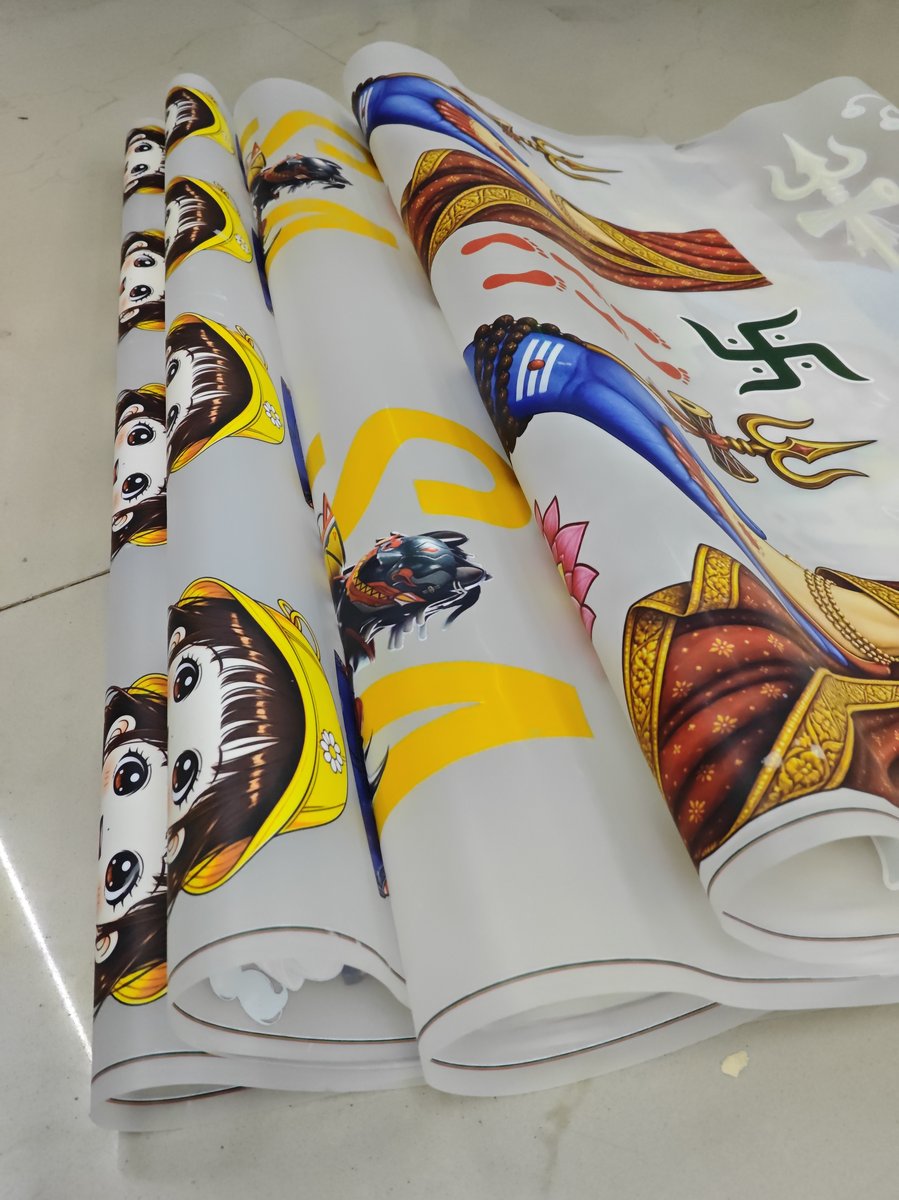
The carrier film's release coating dictates how and when the PET sheet separates from the cured ink layer. Cold Peel films require the garment to cool to ambient temperature before stripping, delivering an ultra-crisp matte finish and superior micro-detail retention. Warm Peel films can be removed after just 5–8 seconds, significantly speeding up high-volume production lines.
In-Depth Service Overview & Production Methodology
Giggo India utilizes premium treated PET films that feature dual-release versatility. The release coating is engineered at the molecular level with micro-silicone spheres, ensuring that ink leaves the carrier completely with zero tearing, ghosting, or adhesive residue on garment fibers.
Both peel styles provide exceptional edge sharpness on serif fonts, fine decorative linework, and intricate crests. We provide specific recommendations based on whether your focus is maximum throughput speed or maximum matte finish luxury.
Available Sheet Types & Production Options
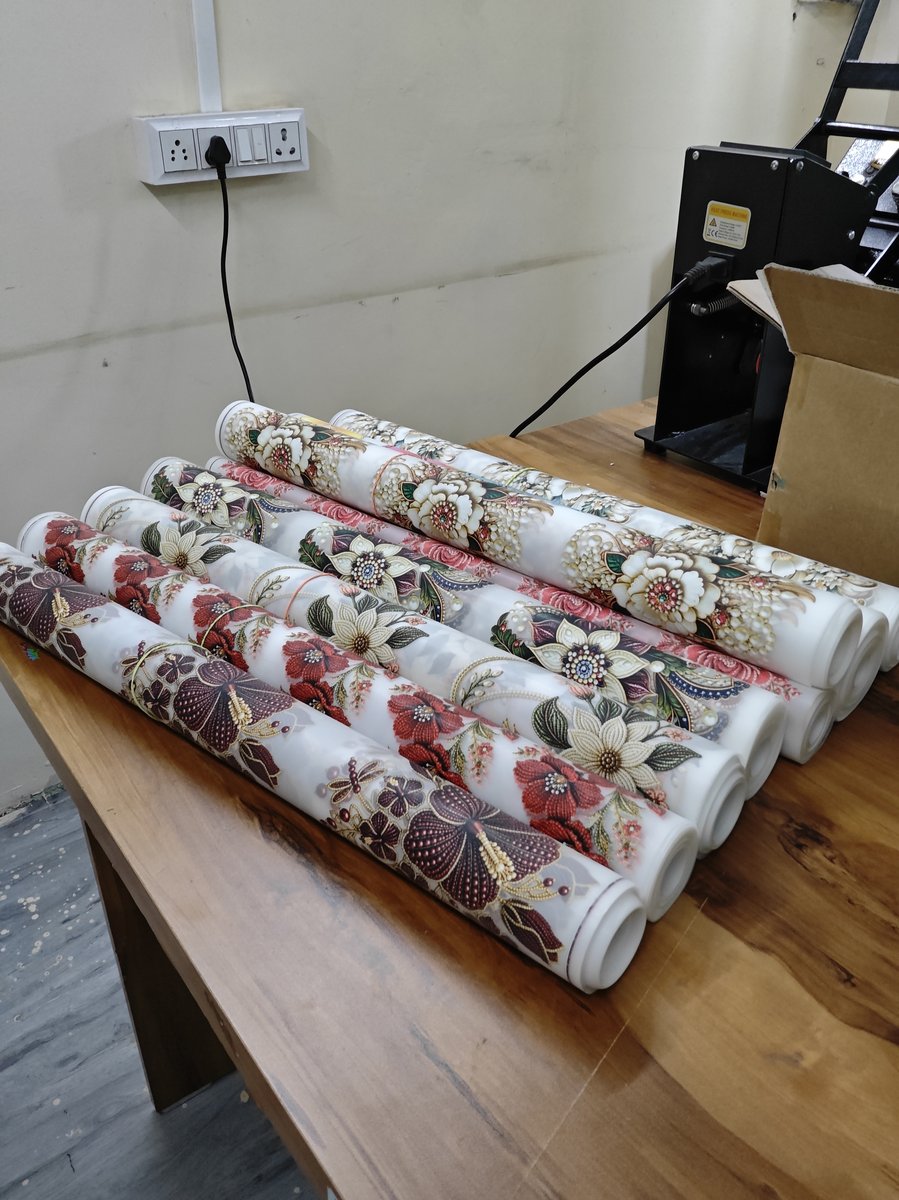
Select from our standardized commercial sheet formats or configure custom lengths based on your production requirements.
Velvet Matte Cold Peel Sheets
The gold standard for streetwear and premium boutique brands. Delivers a clean, non-reflective matte finish.
High-Velocity Warm Peel Rolls
Designed for busy print shops producing 200+ garments per hour with minimal cooling dwell time.
Anti-Static Treated Clear Film
Prevents TPU powder from clinging to non-printed areas, ensuring razor-clean negative spaces.
Thick 100µm Rigid PET Film
Provides extra structural stiffness for easier alignment and handling on oversized pneumatic presses.
Technical Specifications
Target Applications & Uses
Engineered for commercial manufacturers, brand merchandisers, and craft decorators across multiple substrate groups:
- High-speed contract screen printing workshops converting to digital
- Delicate nylon windbreakers and poly-spandex athletic apparel
- Fine-line illustrative artwork and delicate micro-typography
- Vintage distressed apparel graphics seeking an authentic matte sheen
- School uniforms, workwear crests, and promotional garments
Key Features & Trade Benefits
Clean, Effortless Release
Separates smoothly in one continuous pull without lifting ink corners or stretching the garment fabric.
Anti-Static Surface Treatment
Repels stray powder particles so negative spaces and clear gaps remain 100% spotless after pressing.
Exceptional Thermal Stability
PET base film withstands 170°C without shrinking, warping, or dimensional distortion on the platen.
Flawless Matte Texture Transfer
Imparts an upscale velvety matte texture directly onto the ink surface, eliminating plastic glare.
How to Order This Service
From raw digital artwork to factory-cured sheets at your doorstep in four seamless steps.
1. Select Peel Formula
Inform our team whether your production setup prioritizes maximum speed (Warm Peel) or luxury matte finish (Cold Peel).
2. Precision Digital Printing
We print your gang layout onto calibrated anti-static release film with micro-controlled ink density.
3. Heat Press Application
Press at 155°C for 14 seconds with medium pressure onto your selected textile.
4. Peel & Finish
For warm peel, strip carrier after 5 seconds. For cold peel, let cool completely before lifting for an ultra-matte result.
Frequently Asked Questions
Cold peel requires the garment to reach room temperature before you remove the PET film, yielding the highest matte quality and edge precision. Warm peel allows removal after 5 seconds, doubling production output on high-volume runs.
We recommend waiting at least 5 to 8 seconds (warm peel) rather than pulling immediately under extreme heat. This brief settling window allows the TPU adhesive to anchor firmly into fabric pores.
After peeling the film, place a sheet of silicone baking paper or Teflon over the transfer and repress for 5 seconds at the same temperature. This embeds the graphic completely into the textile fibers.